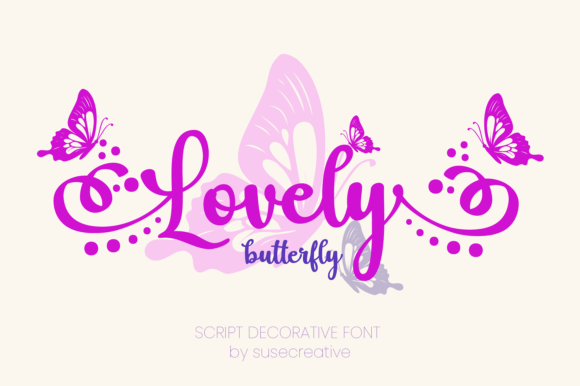
Butterfly Elegance: A Handwritten Font for Thoughtful Design
Typography has a quiet way of shaping how we feel about a message before we even read a single word. A bold sans-serif can feel authoritative, a slab serif can feel sturdy, and a delicate handwritten script can feel personal, warm, and deeply intentional. That is exactly the space where Butterfly thrives. This decorative handwritten font brings a level of elegance that is hard to replicate with standard typefaces, and it has become a go-to choice for designers, business owners, and creatives who want their projects to feel genuinely crafted rather than simply produced.
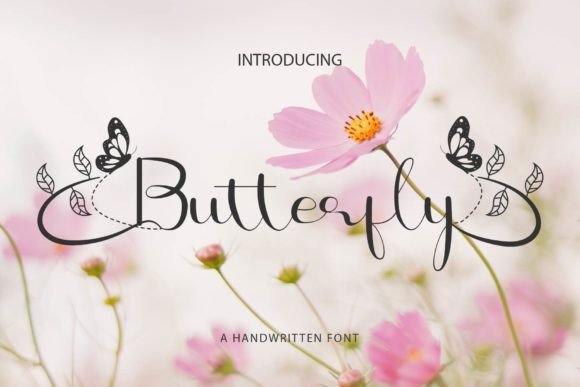
Butterfly is not just another script font. It carries a refined, almost calligraphic quality that makes it suitable for everything from wedding stationery to brand logos. But what makes it truly useful is how it balances beauty with practicality. It is PUA encoded, which means every alternate character and decorative glyph is accessible without needing specialized software or workarounds. For anyone who has struggled with fonts that look great in previews but fall apart in real use, this is a meaningful difference.
What Makes Butterfly Stand Out
The first thing you notice with Butterfly is its graceful letterforms. There is a natural rhythm to how the characters flow together, creating a sense of movement that feels almost hand-drawn. It avoids the stiffness that can plague some script fonts, where every letter feels mechanically spaced. Instead, Butterfly captures the slight imperfections of real handwriting while maintaining enough consistency to remain legible and professional.
One of its strongest qualities is the variety of alternate glyphs. Because it is PUA encoded, you can easily swap standard letters for swashes, tail variants, and decorative flourishes. This is particularly valuable when you want to avoid the "same font, same look" problem that can make design work feel repetitive. You can customize headlines, names, or short phrases so that each piece feels unique, even when you are working within the same typeface family.
The font also handles a wide range of sizes gracefully. At larger sizes, like on a poster or a logo, the delicate strokes and flourishes become focal points. At smaller sizes, like on a business card or a thank you note, it remains readable without losing its character. This versatility is not always present in decorative handwritten fonts, which can become muddy or illegible when scaled down.
Wedding and Event Stationery
This is where Butterfly truly shines. Wedding invitations, save-the-date cards, place settings, and thank you notes all benefit from a typeface that feels personal and celebratory. The font's elegance adds a layer of sophistication without needing heavy graphic embellishments. Because you can access alternates, you can set the couple's names in a unique swash combination, then use a simpler variant for body text. That kind of flexibility means you can create a cohesive suite of materials that still feel varied and curated.
I have seen designers use Butterfly for vow books, seating charts, and even custom wax seal designs. The font's delicate lines pair especially well with floral motifs, watercolor accents, and minimal layouts. If you are planning a wedding or designing for a client who values refined aesthetics, Butterfly is a strong candidate for the primary display type.
Branding and Business Identity
Handwritten fonts can be risky for branding if they lean too casual or whimsical. Butterfly avoids that trap. Its elegance makes it suitable for luxury brands, boutique shops, spas, bakeries, stationery lines, and creative agencies. When used in a logo or wordmark, it communicates attention to detail and a personal touch. For business cards, it can make a name or title feel almost hand-signed.
A local florist or a high-end paper goods shop could use Butterfly across their packaging, tags, and website headers to create a consistent visual identity. The PUA encoding means you can craft a unique logotype that does not look like a stock font choice. That matters when you are trying to stand out in a crowded market.
Greeting Cards and Personal Correspondence
In an age of digital communication, a handwritten card or note stands out. Butterfly helps you recreate that analog warmth in printed or digital designs. Whether you are creating a line of greeting cards for sale or simply designing a thoughtful note for a friend or client, the font adds a layer of sincerity. It works well with short, emotional messages where the typography itself carries meaning.
For small batch card makers, Butterfly can be a signature element. You can pair it with simple illustrations or monochromatic layouts to keep the focus on the lettering. The alternates allow you to vary the look across different cards while maintaining a consistent brand feel.
Quotes, Prints, and Social Media Graphics
Butterfly is also an excellent choice for quote-based content, whether for printable wall art, Instagram posts, or blog headers. Inspirational or romantic quotes set in Butterfly feel more intimate than they would in a standard display font. The flourishes can frame the text beautifully, reducing the need for additional graphic elements.
For educators or content creators who produce quote cards, worksheets, or motivational materials, Butterfly offers a way to make text feel more engaging. It is especially effective when used sparingly, such as for a single line or a short heading, paired with a clean sans-serif for body copy.
Practical Benefits for Everyday Use
Beyond its appearance, Butterfly offers several practical advantages that make it a worthwhile addition to any font library. The PUA encoding is perhaps the most important. It means that anyone using design software like Adobe Illustrator, Photoshop, Canva (with PUA-compatible tools), or Affinity Designer can access all glyphs without having to switch between font variants or use complex character maps. This saves time and reduces frustration, especially when you are working under a deadline.
The font also supports a wide range of characters, including accented letters, which makes it suitable for projects in multiple languages. For designers working with international clients or multilingual content, this is a meaningful consideration.
Installation is straightforward, and the font works on both Mac and Windows systems. Once installed, it behaves like any other typeface, so there is no steep learning curve. You can start using it immediately in your preferred design application.
How to Use Butterfly Effectively
Like any decorative font, Butterfly works best when used with intention. Here are a few practical tips based on real project experience:
- Pair it with a neutral counterpart. Butterfly is ornate, so it pairs well with clean, simple fonts like a light sans-serif or a subtle serif. This creates contrast and keeps the overall design balanced.
- Use it for short text blocks. Headlines, names, quotes, and short phrases are ideal. Long paragraphs set entirely in Butterfly can become difficult to read and lose their impact.
- Experiment with alternates. Do not settle for the default letters. Explore the swashes and decorative glyphs to find combinations that feel unique to your project. This is where Butterfly's PUA encoding becomes a superpower.
- Test at different sizes. What looks beautiful at 72pt may look different at 18pt. Always preview your text at the intended output size, especially for print projects.
- Consider the medium. Butterfly works beautifully in print, but it also translates well to digital formats when used in high-resolution graphics. For web use, consider using it in images rather than as live text to preserve the look across browsers.
Who Benefits Most from Butterfly
Butterfly is not a font for every project, but it is a font that every designer should have available. It is particularly valuable for:
- Freelance designers who need a reliable elegant script for diverse client work.
- Small business owners who manage their own branding and want a polished, professional look without hiring a specialist for every piece.
- Event planners and wedding professionals who design invitations, signage, and keepsakes.
- Stationery designers who create products that rely on personal, tactile aesthetics.
- Bloggers and content creators who want to add personality to quote graphics, headers, or digital products.
- Hobbyists who enjoy creating personalized cards, gifts, or home decor and want a font that elevates their work.
In each of these cases, Butterfly reduces the gap between an amateur look and a professionally designed piece. It does not require extensive typography knowledge to use well, but it rewards those who take the time to explore its options.
Final Thoughts on Choosing Butterfly
When you are evaluating a font for a project, it helps to ask a few questions. Does it communicate the right tone? Is it legible at the sizes you need? Does it offer enough flexibility to keep your designs fresh? Butterfly answers yes to all of these for a wide range of elegant, personal, and professional applications.
It is not a trendy font that will feel dated in a year. Its classic handwritten qualities give it staying power, and the practical features like PUA encoding and extensive glyph support mean it will remain useful across many projects and platforms. Whether you are designing a wedding suite, refining a brand identity, or simply creating a thoughtful card, Butterfly brings a level of grace that is hard to find in standard typefaces. If you value typography that feels both beautiful and intentional, it is definitely worth a close look.